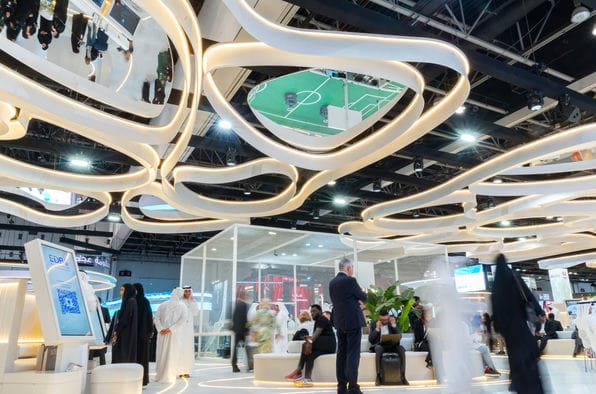
Exhibition stands have traditionally relied on materials, graphics, lighting, and structures designed for visual impact, but the industry is changing as sustainability becomes a bigger priority. Reusable components, recyclable materials, energy-efficient lighting, modular designs, and smarter waste management are influencing how stands are planned and built. These changes can reduce environmental impact without sacrificing creativity or brand presence.
See below how the best exhibition stand companies in Dubai are responding to the growing demand for more sustainable exhibition experiences.
Reusable stand structures
Exhibition stand companies increasingly design structures that serve multiple events. Modular walls, adjustable frames, reusable flooring, and interchangeable graphics allow exhibitors to refresh their presentation without rebuilding the entire stand. Aluminium, certified timber, recycled plastics, and other responsible materials support this approach.
Designers also select components that dismantle easily, making storage and future assembly simpler. This model reduces material waste and gives brands greater flexibility across different venues and exhibition formats.
Responsible material choices
Material selection now receives greater attention during stand development. Exhibition specialists explore recycled boards, FSC-certified timber, reusable fabrics, recyclable metals, and low-impact finishes for different design requirements. Digital graphics can also replace disposable printed panels in suitable applications.
Suppliers increasingly provide material information so exhibitors understand sourcing and disposal options. Smart material selection supports a refined visual presentation while reducing unnecessary waste throughout the exhibition cycle.
Energy-efficient stand design
Lighting represents another area where exhibition companies introduce greener solutions. LED systems use less electricity and provide strong illumination for graphics, products, counters, and feature areas. Designers also consider lighting placement, so displays receive effective coverage without excessive fixtures.
Energy-efficient screens and equipment further reduce power consumption. These choices support modern stand aesthetics while helping exhibitors manage electricity usage during busy exhibition schedules.
Smarter transport and logistics
Transportation also receives a sustainability upgrade. Exhibition teams combine shipments, select compact modular components, and organise efficient delivery schedules to reduce unnecessary vehicle movements. Lightweight structures can simplify handling and storage while lowering transport requirements. Local suppliers may also provide selected services close to the venue, reducing long-distance movement. Better logistics help exhibition teams control operational costs while supporting broader environmental targets.
Sustainable practices extend beyond stand installation. Responsible exhibition companies plan dismantling with reuse, recycling, donation, and responsible disposal in mind. Graphics, furniture, flooring, and structural elements may return to storage for future projects instead of heading directly toward disposal. Some materials also move into recycling streams through specialist suppliers. This approach gives exhibitors a practical framework for reducing post-event waste.