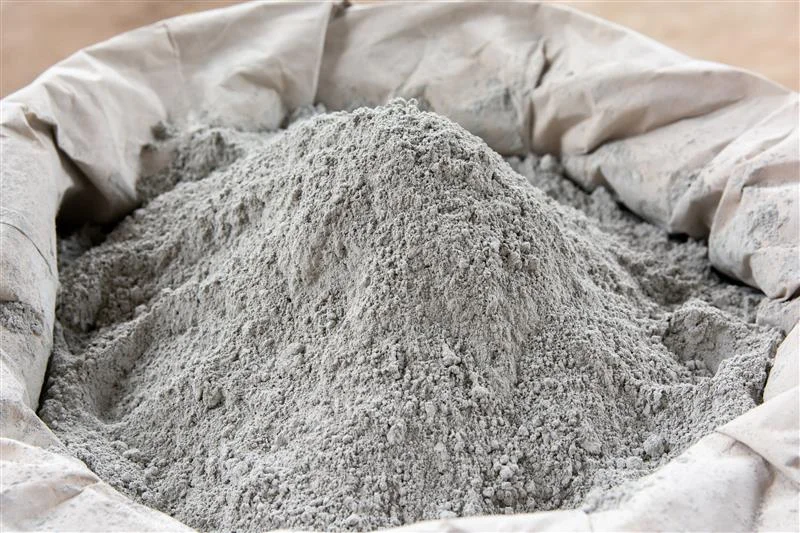
White sand stays useful when storage keeps moisture, dirt, chemicals, and unwanted debris away. Good storage protects its colour and texture during busy construction periods. A dry, covered area keeps the material clean and makes handling easier later. Bulk buyers should also ask a white sand supplier in Dubai for storage guidance before placing stock in a yard or warehouse.
Choose a dry storage spot
Select a firm, dry surface with good drainage. Keep white sand away from standing water, leaking pipes, and sprinklers. A raised platform or clean concrete slab reduces contact with damp ground. Leave enough space around the pile for inspection. Keep sand away from oil, paint, fertiliser, chemicals, and waste.
Use a proper cover
Cover outdoor piles with a strong waterproof sheet. Secure it firmly so wind cannot expose the sand. Leave slight space between the sheet and pile. Never place a dirty or wet cover directly over the material. Inspect the sheet after rain and replace it if you spot tears or holes.
Keep different materials separate
Store white sand in its own marked area. Keep it apart from darker aggregates, soil, cement, and recycled materials because mixing can affect appearance and intended use. Use barriers or separate bays when several materials share one yard. Clear surrounding ground before adding fresh stock, since loose soil and debris can mix into lower layers during loading.
Protect the pile during handling
Use clean loaders, buckets, and tools when moving white sand. Avoid dragging equipment through the pile or allowing muddy tyres to contact it. Keep workers from walking across uncovered stockpiles during wet weather. Load older stock before newer stock. This practice supports orderly stock rotation and limits exposure.
Check stored sand regularly
Inspect the pile every few days during rainy or humid periods. Look for damp patches, debris, and colour changes. Check the cover, drainage, and surrounding ground. If moisture reaches the sand, move the affected section onto a dry surface and remove contaminants. Regular checks keep small storage issues manageable.
Maintain clean storage habits
Good storage starts with a clean yard and simple routines. Sweep nearby surfaces, control runoff, repair damaged covers, and keep storage equipment clean. Record delivery dates so workers can identify older material easily. These habits help white sand retain its expected appearance and usability until the project team puts it into service without quality concerns during the project schedule.